Packaging Development
Stock, Customized Stock or New Development: Which Packaging Route Fits Your Project?
How much of your packaging needs to be new? Compare stock, customized stock and new development before choosing a route for your product, brand and timeline.
A packaging idea can begin with a distinctive shape, a particular finish or a product that needs to work in a very specific way. Before choosing a bottle or jar, it helps to ask a simpler question: how much of the pack actually needs to be new?
There are three common routes. Each can lead to a strong result when it fits the product, the brand and the practical needs of the project.
Stock packaging: start with an existing structure
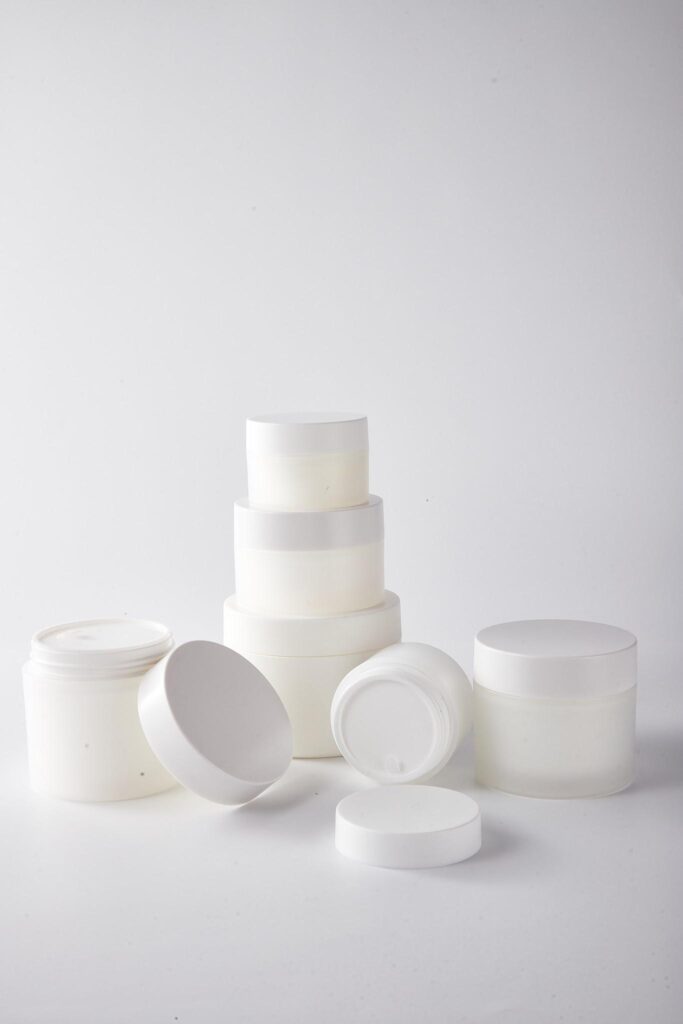
Stock packaging uses an existing bottle, jar, tube or dispensing system as the starting point. The shape and core components are already defined, so you can concentrate on finding a suitable format and checking how it performs with your formula.
It can be a useful route when the existing design meets your functional and visual needs. Availability, compatible components, materials and minimum quantities still need to be confirmed for the specific option. A catalog image alone is not a technical approval.
Customized stock: make an existing pack your own
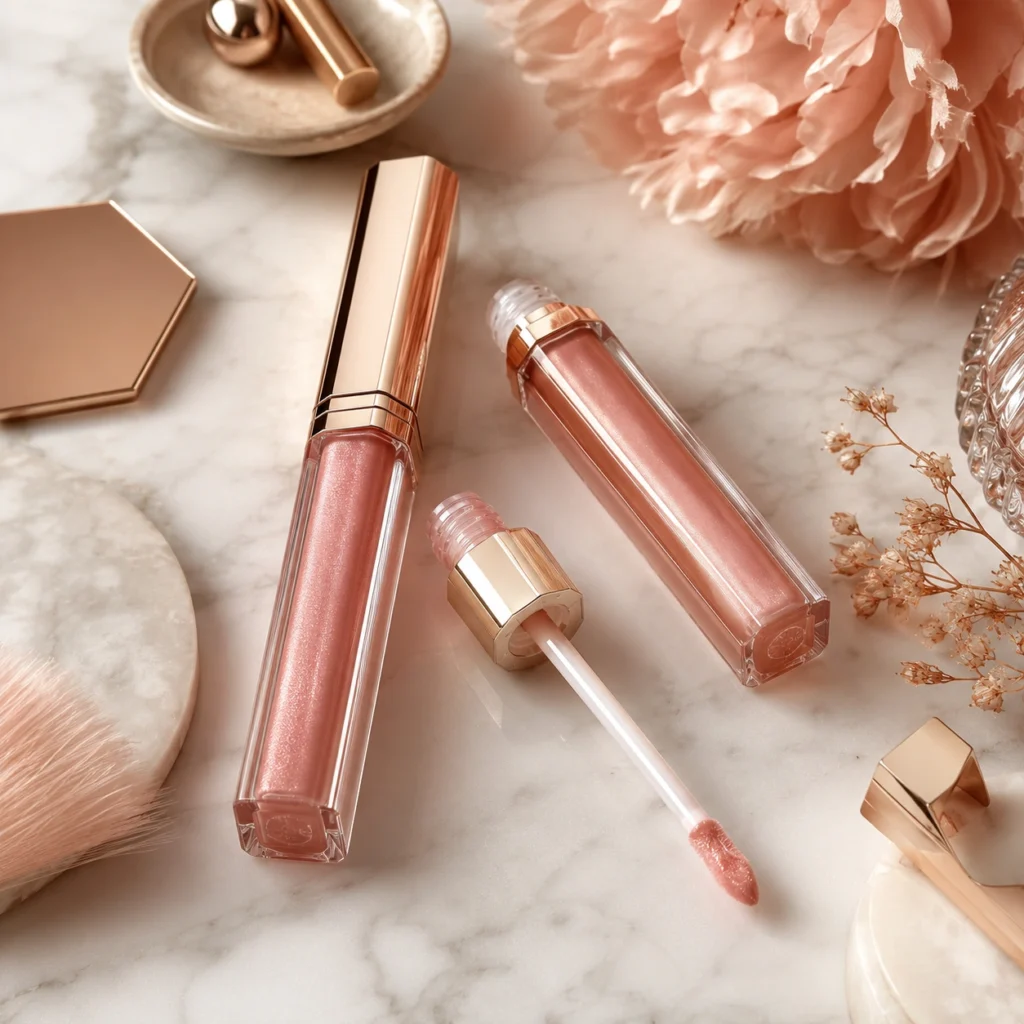
Customized stock keeps an existing structure while changing selected visual details. Depending on the pack and production process, those details might include color, decoration, finish or a compatible closure.
This route can give a familiar format a more distinctive brand expression without developing every component from the beginning. The available options depend on the chosen pack. Check samples and technical limits before treating a proposed finish or component combination as final.
New development: build around a specific requirement
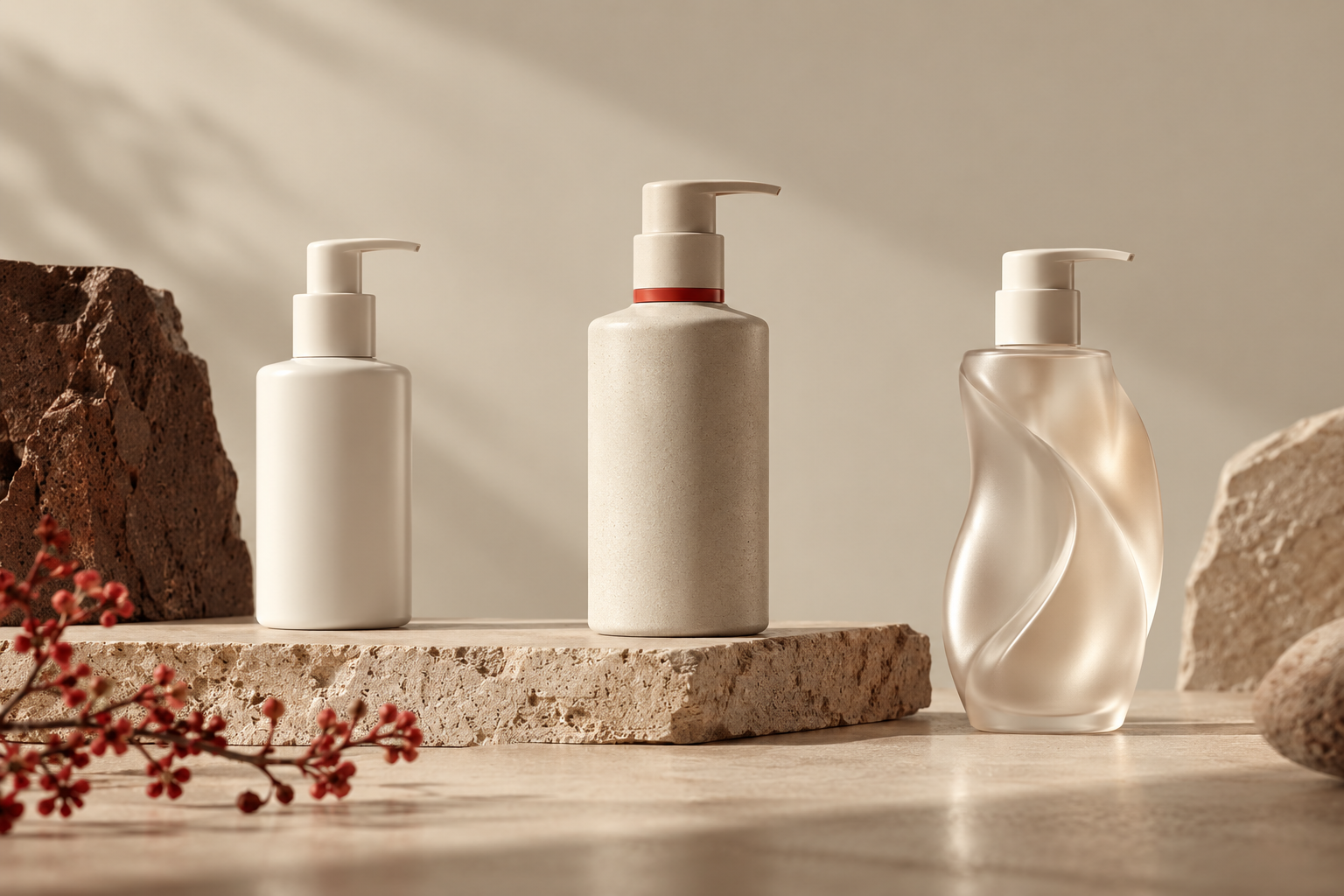
When an existing structure cannot meet an important functional or design requirement, new development may be appropriate. It can involve a new shape, a particular dispensing experience or components designed around the product and the intended use.
It also calls for a more detailed brief, engineering review, sampling and validation. Tooling, production quantities, costs and timing should be assessed for the actual project before committing to this route.
A practical way to choose
Start with the requirements that must be met, then separate them from preferences that can change:
- Function: What must the pack do for the formula, dispensing, sealing and use?
- Brand expression: Which visual elements are essential, and which can be achieved through decoration or component choices?
- Project reality: What quantities, budget and timing are being planned? Which of these are confirmed?
- Validation: What samples, compatibility checks and performance tests are needed before approval?
Compare real samples against the brief rather than deciding from a rendering alone. An existing pack may already solve the core challenge. A carefully customized one may deliver the right identity. A new development is valuable when it answers a requirement that the first two routes cannot meet.
Premiumpack LTD can help you define the brief, review suitable packaging options and coordinate sampling and development with suppliers in China. The right route becomes clearer when the product, the desired experience and the practical constraints are considered together.